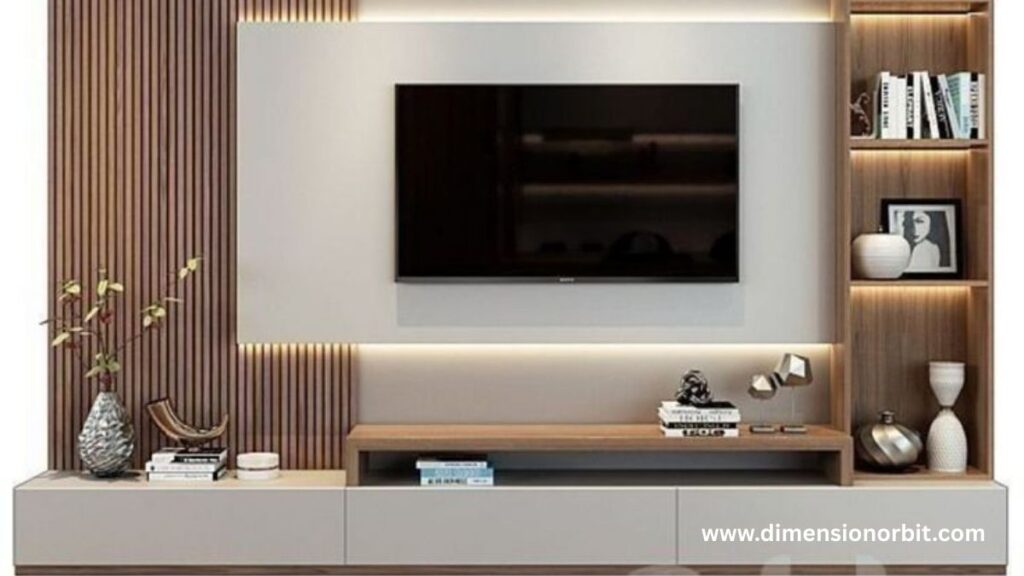
Buying a TV sounds simple until you realize that “30 inches” only tells part of the story. That number measures the diagonal of the screen, but it doesn’t reveal the width, height, depth, or even how heavy the TV is. If you want a 30 Inch TV Dimensions that fits perfectly on your desk, console, or wall, understanding the real dimensions is essential. This guide takes you through the actual measurements, explains how the stand affects size, explores viewing distance, and compares similar TVs so you can pick the right fit for your space without surprises.
What 30 Inches Really Means on a TV
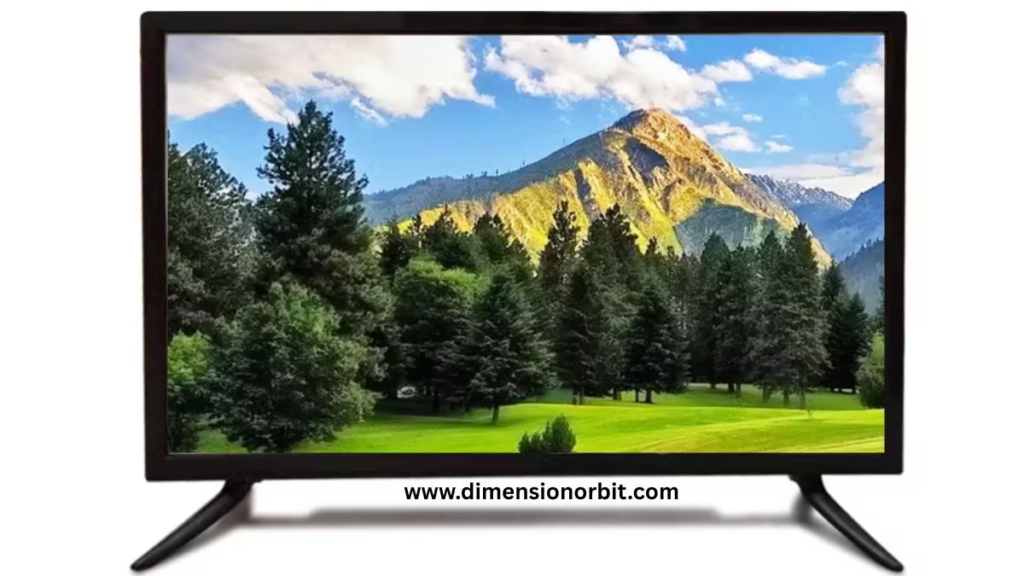
When manufacturers advertise a TV as 30 inches, they are only referring to the screen’s diagonal. It does not reflect the full width, height, or footprint of the device. This distinction matters because two 30 inch TVs can have slightly different body sizes due to variations in bezel thickness, frame design, and built in speakers. People often assume all 30 inch TVs are identical, but the actual size of a 30 inch TV depends on these details. Measuring your available space before purchasing is the best way to avoid surprises.
Real 30 Inch TV Dimensions
Most 30 inch TVs use a 16:9 aspect ratio, which keeps the width and height fairly standard. A typical screen without the stand measures about 26 inches wide and 15 inches tall. Add the stand, and the height increases to roughly 16.5 inches while the depth extends to around 6 inches. Even small differences like bezel thickness can affect placement on a desk or wall. Considering these variations ensures that your new TV fits perfectly into your intended space.
Metric Measurements for International Buyers

For those using centimeters, the measurements convert to approximately 66 cm wide, 38 cm tall without the stand, and 42 cm tall with the stand. Depth ranges from about 6.3 cm without the stand to 15.2 cm with it. Converting measurements helps when you are matching the TV to furniture or wall spaces measured in metric units.
Wide 48 Inch TV Size and Dimensions
Understanding Screen Size Versus TV Body Size
Even if two TVs share the same diagonal measurement, the actual body size can differ. Factors such as bezel thickness, speaker placement, and frame design can make a TV slightly wider, taller, or deeper than another model. This is why comparing specifications beyond just the diagonal measurement is important. A sleek, ultra-thin model may save a few inches on width and depth, while a model with thicker edges and built-in speakers can occupy noticeably more space.
How the Stand Affects Dimensions

The stand primarily impacts depth, although it slightly affects overall height. Single
center stands add around three to four inches to depth, whereas dual leg stands may require additional width. When planning placement on a desk or narrow surface, taking the stand footprint into account is crucial. A TV that appears to fit when measured by the screen alone can overhang or become unstable if the stand extends too far.
Depth, Clearance, and Ventilation

Even a compact 30 inch TV Dimensions requires some space behind and around it. Depth with the stand can reach six inches, and it’s important to allow room for cables, wall mounts, and ventilation. Leaving two to three inches behind the TV helps prevent overheating and makes connecting power and HDMI cables easier. Proper clearance also improves safety, particularly when placing the TV on a narrow shelf or small console.
Weight and Handling
A 30 inch TV generally weighs between 12 and 15 pounds without the stand and 14 to 17 pounds with it. This makes it light enough for one person to carry carefully, but using a wall mount or placing it on furniture still requires stability. Ensuring that the desk, shelf, or wall mount can support the weight helps prevent accidents.
Wall Mounting a 30 Inch TV
Most 30 inch TVs use VESA mounting patterns such as 100×100 mm or 200×100 mm. When mounting, it is ideal to place the center of the screen at eye level, typically 42 to 45 inches from the floor for desks or 36 to 40 inches for beds. Tilt or swivel mounts can reduce glare and improve viewing angles but slightly increase the distance the TV sticks out from the wall. Allowing space behind the TV ensures proper ventilation and cable management.
Ideal Viewing Distance
For a 30 inch 1080p TV, a comfortable viewing distance is about four to five feet. If the TV is 4K, you can sit closer, around three to four feet, without noticing individual pixels. Sitting too close can cause eye strain, while sitting too far diminishes the impact of the screen’s size. Positioning your seating properly enhances the viewing experience even with a small screen.
Desk and Console Placement
Most desks wider than 28 inches and at least 12 inches deep can accommodate a 30 inch TV safely. Single-center stands require less space than dual leg stands, which can spread across the width of a desk. Always consider both the width and depth of the stand and allow a few inches on all sides for cables and ventilation. This ensures stability and prevents accidental tipping.
Comparing 30 Inch TVs With Other Sizes
It helps to see how a 30 inch TV stacks up against slightly smaller or larger models. Compared to a 27 inch TV, the 30 inch screen is wider by about three inches and taller by roughly 1.5 inches, offering a noticeably bigger viewing area. A 32 inch TV provides an even larger screen but may not fit comfortably on smaller desks. A 22 inch TV is significantly smaller, so upgrading to 30 inches is often worthwhile for bedrooms or home offices.
Is a 30 Inch TV Too Small?
A 30 inch TV works perfectly for bedrooms, dorm rooms, kitchens, or offices. In larger living rooms, it can feel undersized unless used as a secondary screen. Choosing the right size depends on both the distance from the screen and the dimensions of the room. If viewers sit closer than six feet, a 30 inch TV is usually sufficient; for longer distances, a larger screen may be preferable.
Transporting and Handling a 30 Inch TV
A 30 inch TV is easy to transport thanks to its relatively small size. The box typically measures about 32 by 20 by 6 inches and fits easily into most SUVs or hatchbacks, though sedans may require careful angling. Always carry the TV upright, avoid putting pressure on the screen, and handle it with two hands to prevent damage. Proper care ensures the TV arrives safely and remains fully functional.
Common Mistakes to Avoid
Even small TVs can cause frustration if you overlook certain factors. Many buyers measure only the diagonal, ignoring width, depth, or stand footprint. Others forget to leave clearance for ventilation or cables. Some assume all 30 inch TVs are identical, which is not true. Checking the full specifications, including stand dimensions and bezel thickness, helps prevent common pitfalls.
Digital tool
Digital tools like Feet and Inches Calculator can convert inches to centimeters or feet instantly. Many smartphone apps now offer augmented reality measuring features, allowing you to gauge objects virtually and compare them to known lengths.
FAQs
What does 30 inches mean on a TV?
The 30 inches refers to the diagonal size of the screen, measured from one corner to the opposite corner. It does not describe the width, height, or depth of the TV body. This is why the actual size of a 30 inch TV can look different once it’s placed on a desk or mounted on a wall.
How wide is a 30 inch TV in real life?
A typical 30 inch TV is about 26 units wide across the screen area. The total width can be slightly more depending on bezel thickness and frame design, which is why checking full dimensions before buying matters.
Are all 30 inch TVs the same size?
No, they are not. Even though the screen diagonal is the same, differences in bezels, stand design, and speaker placement can change the overall physical size. Two 30 inch TVs can look noticeably different when placed side by side.
Will a 30 inch TV fit on my desk?
In most cases, yes. A 30 inch TV Dimensions fits comfortably on desks that are wide enough to support the stand footprint and deep enough to allow for ventilation behind the screen. Always measure your desk first to avoid overhang.
How much space does a 30 inch TV need around it?
You should leave a small gap on the sides and a few units of space behind the TV for airflow and cable connections. This prevents overheating and makes it easier to manage power and HDMI cables.
How heavy is a 30 inch TV?
Most 30 inch TVs are lightweight and easy to handle, usually falling within a range that one person can lift safely. Even so, stable furniture or a properly rated wall mount is still important for safety.
Is a 30 inch TV too small for a bedroom?
A 30 inch TV works very well in bedrooms, especially when the viewing distance is relatively short. For larger bedrooms or longer viewing distances, some people may prefer a slightly bigger screen.
How far should you sit from a 30 inch TV?
For comfortable viewing, sitting a few steps away from the screen is ideal. Sitting too close can cause eye strain, while sitting too far can make the screen feel smaller than expected.
Does a 30 inch TV need wall clearance when mounted?
Yes, wall mounted TVs still need clearance. Leaving space behind the TV helps with ventilation and gives room for cables and mounting hardware.
Is a 30 inch TV good as a computer monitor or secondary screen?
Yes, many people use a 30 inch TV as a secondary display in offices or home setups. It offers a larger screen than standard monitors, making it useful for multitasking, presentations, or casual viewing.
Final Thoughts
A 30 inch TV is compact, versatile, and ideal for small rooms, desks, or secondary viewing spaces. Understanding 30 inch TV dimensions, including width, height, depth, and weight, ensures it fits comfortably and safely. With proper planning for viewing distance, clearance, and furniture fit, a small TV can deliver excellent picture quality and convenience without taking up too much space. Choosing wisely means enjoying your new screen without surprises and making the most of every inch.

Jhon AJS, the author of Dimension Orbit, is an experienced blogger fascinated by the mysteries of existence. He explores every type of dimension from scientific to spiritual with clarity and creativity. Jhon’s engaging writing style invites readers to think deeper, question reality, and discover new perspectives on the universe.