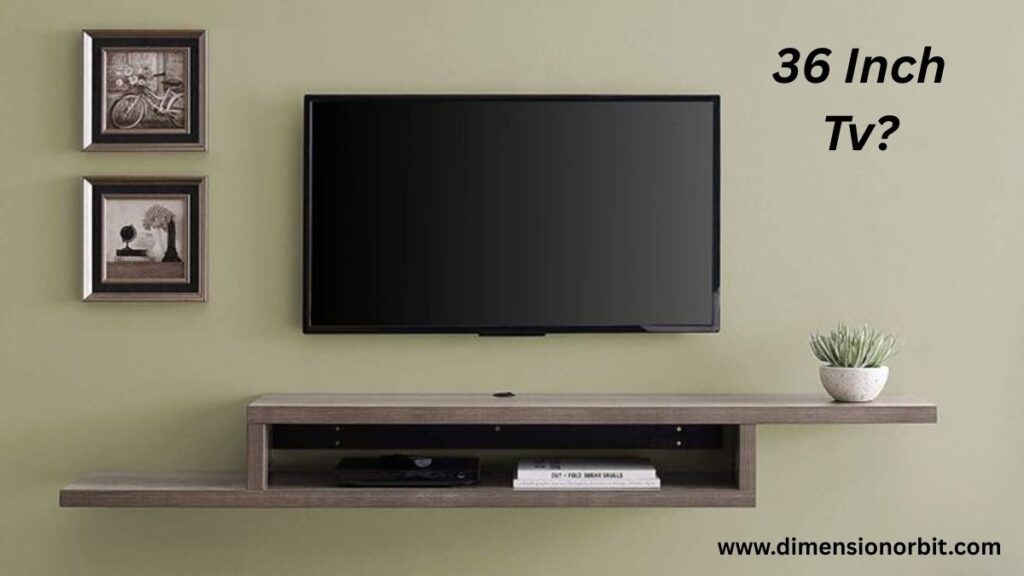
Buying a TV should be exciting, yet somehow it turns into a math exam you didn’t study for. You see “36 inches” and think, great, that’ll fit perfectly. Then reality steps in, holding a tape measure and judging your confidence. Suddenly you’re wondering if the TV is wider than your desk, taller than your nightstand, or deep enough to knock over your coffee mug. That’s where 36 inch TV dimensions come in. This guide breaks down the real width, height, and depth without marketing nonsense or guesswork. No vague answers. Just clear numbers, practical advice, and a little humor to keep your sanity intact.
What a 36 Inch TV Size Actually Means
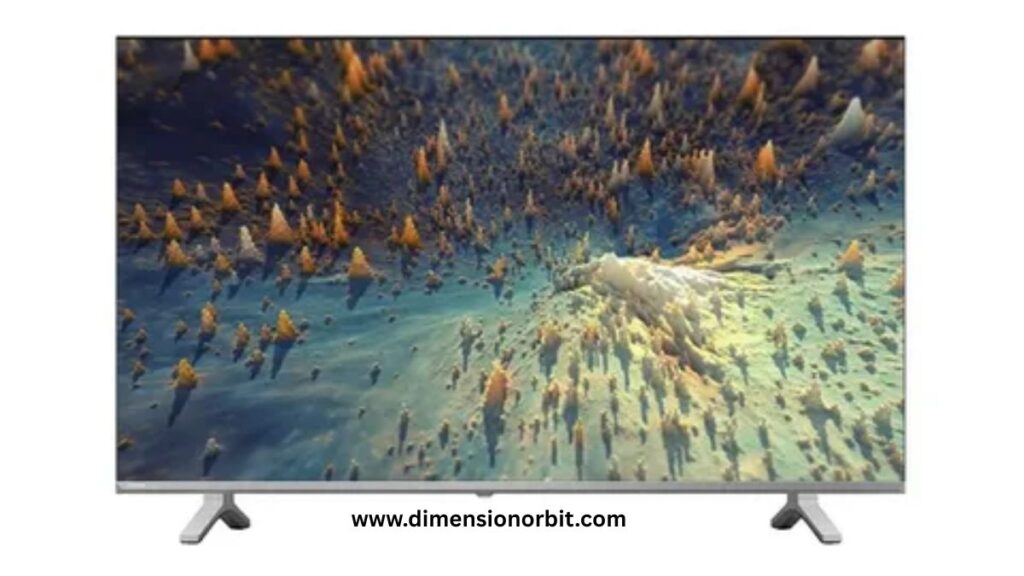
The first thing to understand is simple but often missed. A 36 inch TV size refers only to the diagonal length of the screen. Manufacturers measure from one corner of the visible display to the opposite corner. That number does not describe the width, the height, or the depth of the TV.
This distinction matters because most buying mistakes start right here. People assume a 36 inch TV is 36 inches wide. It isn’t. Others think it will fit a space simply because the diagonal sounds reasonable. That assumption leads to cramped setups and last minute returns.
Modern TVs use a 16:9 aspect ratio, which determines how wide and tall the screen becomes once the diagonal is fixed. That ratio is what allows us to calculate the real size accurately.
36 Inch TV Dimensions in Real Numbers

Once you break the diagonal into width and height, the picture becomes much clearer. A 36 inch TV screen size with a standard 16:9 aspect ratio measures about 31.4 inches wide and roughly 17.7 inches tall. These numbers represent the visible display only. They do not include the frame or bezel.
When you factor in the bezel, which surrounds the screen, the actual body of the TV grows slightly. Most modern flat screen TV dimensions add between half an inch to an inch on each side. That means the full width of a 36 inch TV usually lands between 32 and 33 inches, while the height reaches around 18 to 19 inches.
Depth is another detail buyers often overlook. Without a stand, a slim 36 inch TV is usually between two and four inches thick. Add the stand, and the depth increases significantly, often reaching six to ten inches depending on the design. This is why 36 inch TV with stand dimensions matter so much for desks and narrow furniture.
Why Screen Width Matters More Than Diagonal

In everyday use, screen width vs diagonal is the difference between a clean setup and a frustrating one. Furniture, desks, and wall spaces care about width and height, not diagonal numbers.
If you’re placing the TV on a stand, you’ll need a surface that’s wider than the TV itself. With bezels included, that usually means a stand at least 36 to 40 inches wide to allow breathing room. Wall mounting follows the same logic. You don’t mount diagonally; you mount horizontally.
Understanding this single concept answers most size related questions before they even arise.
How Much Space a 36 Inch TV Really Needs
Space planning doesn’t stop at the TV’s edges. Clearance matters. For comfortable placement, most setups benefit from a few extra inches on each side. Horizontally, a 36 inch TV typically needs close to 40 inches of total wall or furniture width once you include clearance. Vertically, allowing at least 24 inches of space makes mounting and viewing feel balanced rather than cramped.
Depth also plays a role, especially for desks. A TV with a stand can push close to the edge if the desk isn’t deep enough. In most cases, a desk depth of 24 inches or more works well. Wall mounting reduces this problem dramatically and often improves posture at the same time.
This is the practical answer to the question, how much space does a 36 inch TV need, without guessing or rounding things off.
Viewing Distance and Comfort
Size alone doesn’t decide comfort. Distance does. For a 36 inch TV, the ideal viewing distance depends on resolution. With a 1080p screen, sitting about four and a half to six feet away keeps the image sharp without visible pixels. A 4K model allows you to sit closer, usually around three to four feet, while maintaining clarity.
This makes a 36 inch TV especially suitable for bedrooms and desk setups, where seating distance is naturally shorter. It also explains why this size works well in dorm rooms and compact apartments.
Wide 48 Inch TV Size and Dimensions
Is a 36 Inch TV a Good Bedroom Choice?
In a bedroom, balance matters more than spectacle. A massive screen overwhelms the space, while something too small feels underwhelming. A 36 inch TV often lands right in the middle.
For bedrooms under roughly 120 square feet, this size feels comfortable rather than dominant. It offers enough screen real estate for movies and casual gaming while staying easy on the eyes when viewed from a bed. Wall mounting works particularly well here, keeping the room uncluttered and the screen at eye level.
This is why many people searching for a bedroom TV size guide end up circling back to the mid-30-inch range.
Desk and Office Use: Does a 36 Inch TV Fit?
Using a TV as a monitor or secondary display has become common, especially for remote work and console gaming. A 36 inch TV can work well in this role, provided the desk is wide enough.
A desk that’s at least 40 inches wide and around 24 inches deep usually handles this size comfortably. Sitting three to four feet back keeps text readable and reduces eye strain. Wall mounting above the desk is another popular option, freeing up surface space and creating a cleaner layout.
So yes, if you’re wondering will a 36 inch TV fit on my desk, the answer is yes, as long as the desk isn’t narrow.
Wall Mounting a 36 Inch TV
Wall mounting is often where a 36 inch TV truly shines. These TVs are relatively light compared to larger models, which makes installation easier and safer. Most support standard VESA mounting patterns, commonly around 200 by 200 millimeters.
Height placement matters more than mount strength. Ideally, the center of the screen should align with eye level when seated. In most rooms, that places the TV center roughly 42 to 48 inches from the floor. Mounted this way, the screen feels natural whether you’re watching from a bed, couch, or chair.
Comparing 36 Inch TVs to Nearby Sizes
The biggest competition for a 36 inch TV comes from the sizes just above and below it. A 32 inch TV is noticeably narrower and works better for extremely tight spaces, but it can feel small for immersive viewing. On the other end, a 40 inch TV offers a larger image and far more model choices, often at similar or even lower prices.
This comparison explains a common frustration. Many shoppers discover that a 40 inch TV costs less than a 36 inch model, simply because it’s produced in higher volumes. From a value perspective, the jump to 40 inches often makes sense if space allows.
Why 36 Inch TVs Are Hard to Find Today
There’s a practical reason behind the scarcity. Manufacturers optimize production for popular sizes. Over time, consumer demand shifted upward, making 32, 40, and 43 inch TVs more profitable to produce. The 36 inch size fell into an awkward middle ground.
As a result, fewer brands manufacture them, and retailers stock fewer models. This doesn’t mean the size is bad. It simply means it doesn’t fit modern mass-market economics.
Resolution, Clarity, and Daily Use
At this size, resolution choices remain forgiving. A 1080p screen looks sharp at normal bedroom or desk distances. A 4K screen improves clarity up close, especially for text and productivity tasks, but it isn’t strictly necessary.
Pixel density stays high either way, which is why a 36 inch TV display size still feels crisp when used correctly.
36 Inch TV Dimensions (Actual Measurements)
| Measurement Type | Inches | What It Means in Real Life |
|---|---|---|
| Screen Diagonal | 36″ | Measured corner to corner |
| Screen Width (Display Only) | 31.4″ | Visible screen, no bezel |
| Screen Height (Display Only) | 17.7″ | Visible screen, no bezel |
| Width With Bezel | 32–33″ | Total TV body width |
| Height With Bezel | 18–19″ | Total TV body height |
| Depth Without Stand | 2–4″ | Slim wall mounted profile |
| Depth With Stand | 6–10″ | Space needed on furniture |
| Recommended Furniture Width | 36–40″ | Allows safe clearance |
| Ideal Viewing Distance (1080p) | 4.5–6 ft | Comfortable for eyes |
| Ideal Viewing Distance (4K) | 3–4 ft | Sharper at closer range |
Digital tool
Digital tools like Feet and Inches Calculator can convert inches to centimeters or feet instantly. Many smartphone apps now offer augmented reality measuring features, allowing you to gauge objects virtually and compare them to known lengths.
FAQs
What are the exact 36 inch TV dimensions?
A 36 inch TV measures about 31.4 inches wide and 17.7 inches tall for the screen. With the bezel, the total width usually reaches 32–33 inches and the height around 18–19 inches.
How wide is a 36 inch TV including the frame?
Most modern models are between 32 and 33 inches wide once the bezel is included. Always allow extra space for ventilation and mounting.
How tall is a 36 inch TV?
The visible screen height is roughly 17.7 inches. With the frame, the full height typically falls between 18 and 19 inches.
How much space does a 36 inch TV need?
For a comfortable setup, plan for at least 38–40 inches of horizontal space and around 24 inches of vertical clearance, especially for wall mounting.
Is a 36 inch TV good for a bedroom?
Yes. A 36 inch TV works well in small to medium bedrooms where viewing distance is between four and six feet, offering a balanced screen size without overwhelming the room.
Will a 36 inch TV fit on a desk?
It can, as long as the desk is at least 40 inches wide and about 24 inches deep. Wall mounting above the desk is often an even better option.
How far should you sit from a 36 inch TV?
For a 1080p screen, sitting about 4.5 to 6 feet away feels comfortable. With a 4K screen, you can sit closer, around 3 to 4 feet.
Can you wall mount a 36 inch TV?
Yes. Most 36 inch TVs support standard VESA mounts and are light enough for easy wall installation in bedrooms, offices, and kitchens.
Why are 36 inch TVs hard to find?
Manufacturers focus on more popular sizes like 32, 40, and 43 inches. The 36 inch size sits in between, making it less common in today’s market.
What is the best alternative to a 36 inch TV?
If you can’t find one, a 32 inch TV works for tighter spaces, while a 40 inch TV offers better availability and often better value if you have extra room.
Final Thoughts
A 36 inch TV may seem like an overlooked size, but it hits a sweet spot for bedrooms, small living rooms, dorms, and desk setups. With a screen width of around 32–33 inches and a height near 18–19 inches, it provides clear, immersive viewing without taking over the room. The key is planning: measure your space, consider viewing distance, and account for bezel and stand depth. While these TVs can be hard to find, knowing the real 36 inch TV dimensions ensures you make a smart purchase that fits perfectly, looks great, and delivers exactly the viewing experience you need.

Jhon AJS, the author of Dimension Orbit, is an experienced blogger fascinated by the mysteries of existence. He explores every type of dimension from scientific to spiritual with clarity and creativity. Jhon’s engaging writing style invites readers to think deeper, question reality, and discover new perspectives on the universe.