Most people couldn’t tell you what one ounce feels like if their snack depended on it. We toss the word around while cooking, mailing letters, or pretending we measured peanut butter correctly, yet the number stays weirdly abstract. That’s where everyday items that weigh one ounce come in clutch. Once you can picture an ounce in real life, you stop guessing and start knowing. Suddenly your sandwich portions make sense, your envelopes don’t come back with extra postage due, and your carry on bag stops betraying you at the airport scale. Tiny unit, big life upgrade. Let’s make ounces feel real. Starting today, no scale required.
What Is an Ounce and Why Does It Matter?
An ounce is a unit of weight commonly used in the United States for food, mail, and small consumer goods. One oz equals 28.35 grams. Sixteen ounces make one pound.
That number might not mean much on its own. What matters is developing an instinct for things that weigh 1 ounce. When you build that instinct, you gain a mental reference tool that works in kitchens, post offices, airports, and grocery stores.
In practical life, ounces show up more often than pounds. Food labels use ounces. Postal pricing depends on ounces. Airline liquid rules are based on ounces. Small weights drive real costs and health decisions.
How to Measure Ring Size at Home
How an Ounce Feels in Your Hand
An ounce is light, yet noticeable. It is heavier than a stack of a few sheets of paper, yet much lighter than a smartphone. When you hold a one ounce object, you feel substance without strain.
This is why learning what weighs an ounce works best with physical examples. Your brain stores sensory memory. After handling a few one oz objects, your estimates improve dramatically.
Weight estimation becomes a skill, not a guess.
A Standard Letter With Paper and Envelope
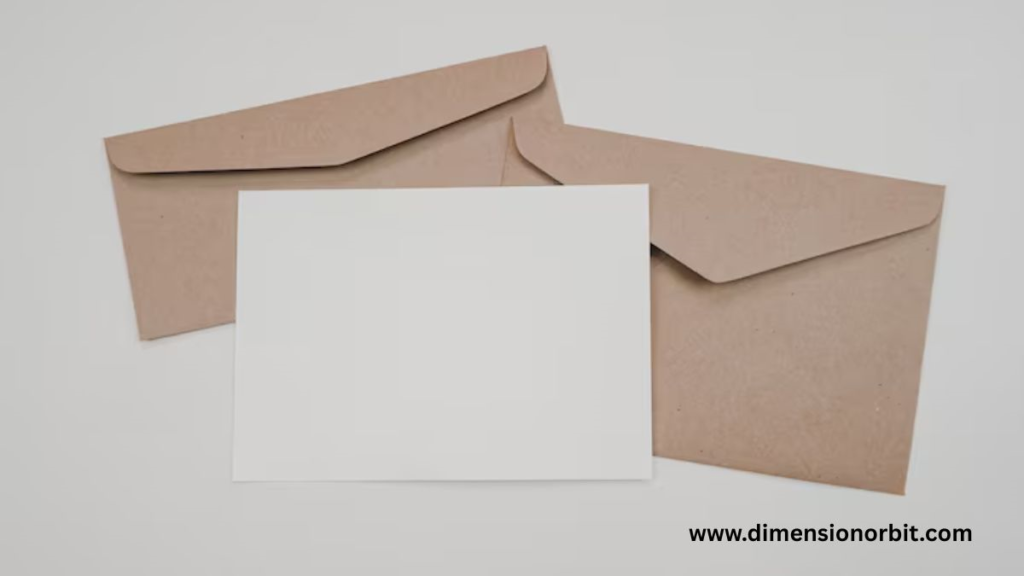
One of the most practical household items that weigh an ounce is a simple mailed letter.
A single sheet of standard printer paper weighs about 0.16 ounces. A typical envelope weighs close to 0.2 ounces. When you place four or five sheets inside and seal it, the total lands very close to one oz.
This makes a letter a perfect postage weight ounce reference. If your envelope feels thicker than a short letter, you are likely over the one oz threshold and may need additional postage through the United States Postal Service.
Knowing this helps you avoid returned mail and extra trips to the post office.
what weighs 20 pounds? 11 Everyday Things
A Slice of Sandwich Bread
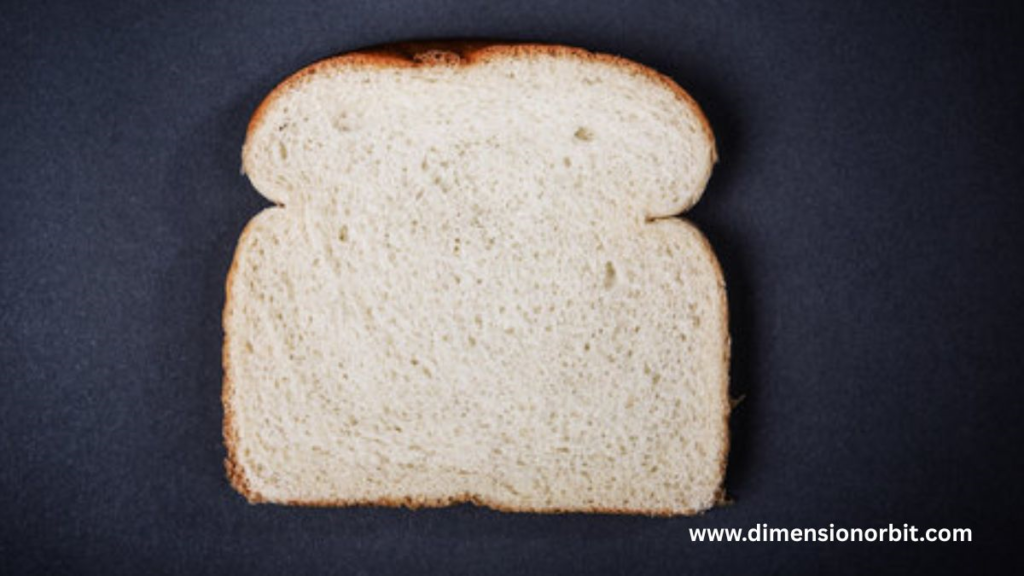
Bread offers one of the simplest food that weighs 1 oz comparisons.
A standard slice of sandwich bread typically weighs between 0.9 and 1.1 ounces. Whole wheat varieties sometimes weigh slightly more due to density, while thinner slices weigh slightly less.
If you have ever wondered how much does a slice of bread weigh, the answer is almost exactly one ounce. That makes bread a powerful visual tool for portion size ounce understanding. When you picture an oz of meat or cheese, think roughly the weight of a slice of bread.
Two Tablespoons of Peanut Butter
Peanut butter demonstrates how density of food affects weight.
One tablespoon weighs about half an ounce. Two tablespoons weigh very close to one oz. Nutrition labels use this serving size, which makes peanut butter a reliable reference for measuring food portions.
This also shows why calorie dense foods require attention. A small amount carries significant weight and energy. When learning what does 1 oz look like in food, peanut butter teaches that volume can be misleading.
A Large AA Battery
Batteries are precise, manufactured objects that provide consistent battery weight comparisons.
An alkaline AA battery usually weighs between 0.8 and 1 ounce. Rechargeable versions can weigh slightly more. Lithium AA batteries tend to be lighter.
If you have ever asked how much does a AA battery weigh, you now have a clear answer. Holding one gives you a solid sense of an oz that you can compare to other small items.
Four Wooden Pencils
A single wooden pencil weighs about a quarter of an oz. When you hold four together, you are holding almost exactly one ounce.
This makes pencils an easy classroom example of small items that weigh an ounce. The comparison also shows how multiple light objects quickly add up, which is important in backpack weight planning.
Two or Three USB Flash Drives
Technology often feels heavier than it is. A basic plastic USB flash drive usually weighs between 0.3 and 0.5 ounces. Two or three together reach the one ounce range.
These are useful lightweight objects for understanding how small electronics contribute to total bag weight. Chargers, cables, and storage devices may seem insignificant alone, yet together they matter.
tv mounting height & Viewing Distance for Your Wall Mounted TV
Two Tablespoons of Butter
Butter provides a textbook cooking measurements ounces example.
One tablespoon of butter weighs about half an ounce. Two tablespoons equal one oz. A full stick of butter weighs four ounces.
Because butter packaging often shows tablespoon markings, it becomes a built in kitchen measurement reference. Even without a scale, you can cut accurate portions for recipes.
Five U.S. Quarters
Coins offer one of the most precise coin weight comparison tools available.
A single U.S. quarter weighs 0.2 ounces. Five quarters weigh almost exactly one ounce. If you want to visualize an ounce using something from your pocket, coins work perfectly.
This comparison also helps with shipping weight calculation when you need a quick estimate for small parcels.
Three Plastic Ballpoint Pens
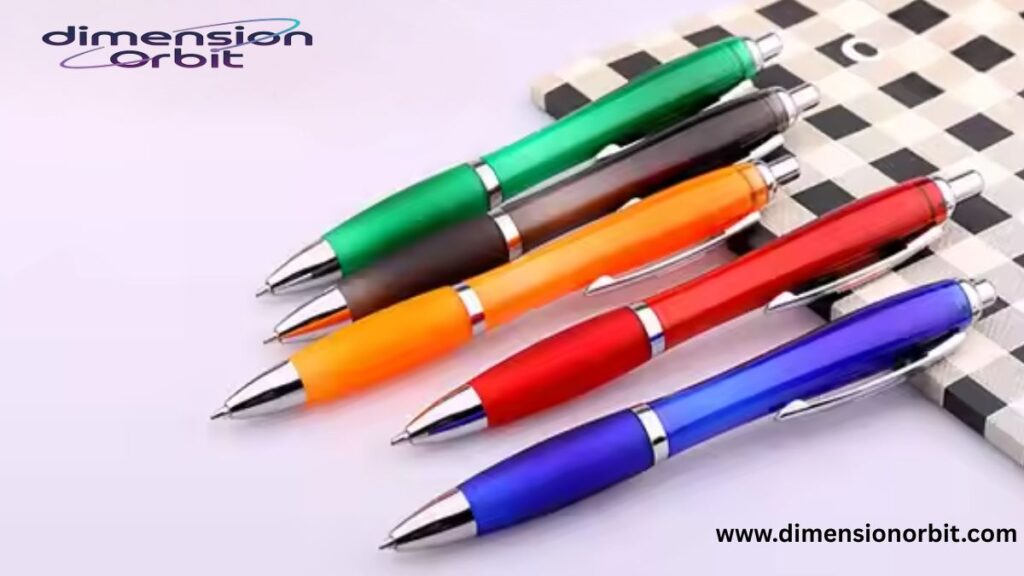
A lightweight plastic ballpoint pen weighs around 0.35 ounces. Three together weigh about one ounce. A familiar example is a pen from BIC, known for simple, lightweight construction.
This makes pens a convenient office-based everyday mass reference. Grab three and you have a physical ounce in your hand.
One Ounce of Cheese
Cheese packaging often answers how much is one ounce of food directly on the label. A one ounce portion of block cheese looks like two small dice placed side by side. A single thin pre sliced cheese square also weighs about one oz.
This visual helps with food portion control ounces and meal planning. Many people underestimate cheese portions, which makes this one of the most useful examples of 1 oz portions in daily life.
A Small Die Cast Toy Car
Many small die cast toy cars weigh between 0.9 and 1.2 ounces. Their solid metal construction makes them surprisingly heavy for their size.
This creates a memorable compact object weight comparison that works especially well for children learning about measurement.
Nearly Empty Travel Size Toothpaste
Travel containers connect weight to regulations. A full travel size toothpaste tube labeled 3.4 ounces weighs more than one ounce when full. When nearly empty, it often weighs about one ounce.
This comparison helps travelers understand travel size weight limits and the liquid restrictions enforced by the Transportation Security Administration. Even small amounts of liquid have measurable weight that adds up across multiple items.
One Ounce Weight Comparison Table
| Item | Approximate Weight | Everyday Use |
|---|---|---|
| Slice of sandwich bread | 1 oz | Food portions |
| Two tablespoons peanut butter | 1 oz | Nutrition reference |
| AA battery | 1 oz | Household comparison |
| Five quarters | 1 oz | Coin reference |
| Two tablespoons butter | 1 oz | Cooking |
| Four pencils | 1 oz | School supplies |
| Three plastic pens | 1 oz | Office supplies |
| Letter with envelope | 1 oz | Mailing |
Ounce to Grams Conversion for Global Context
| Ounces | Grams |
|---|---|
| 1 oz | 28 g |
| 2 oz | 57 g |
| 4 oz | 113 g |
| 8 oz | 227 g |
This conversion helps when reading international recipes or understanding product specifications listed in metric units.
How to Estimate Weight Without a Scale
Learning how to measure an ounce without a scale comes down to comparison and repetition. When you frequently handle objects that you know weigh one oz, your sense of weight sharpens.
Professional chefs develop this skill through repeated cooking. Postal workers develop it through repeated sorting. Travelers develop it through repeated packing. The same method works at home. Handle known weights often and your estimates improve.
This is the foundation of a reliable kitchen scale alternative and a powerful everyday weight estimation technique.
Why Small Weights Add Up Quickly
Ounces seem minor until they multiply. Sixteen ounces make a pound. Add sixteen small one ounce items to a backpack and you have added a full pound. Add eighty and you have added five pounds.
This matters for luggage weight management, shipping costs, and physical strain. Many people exceed carry on limits not because of one heavy object, but because of many small items that weigh an ounce.
Understanding Mass vs Weight in Daily Life
Scientifically, mass measures matter while weight measures gravitational force. In everyday conditions on Earth, the difference is negligible for small objects. For practical purposes, these everyday weight examples remain accurate and useful.
Training Yourself to Recognize an Ounce
The fastest way to learn how to know what an ounce feels like is repetition. Pick up a slice of bread. Hold five quarters. Feel the weight of an AA battery. Compare them in your hand. After a short time, your brain builds a consistent internal reference.
Once that happens, estimating small weights becomes second nature. You will recognize common items that weigh an ounce without thinking about it.
And yes, Oh this is a GREAT utility post. Super searchable and evergreen. Let’s load it with the right SEO fuel. The reason is simple. Understanding ounces never goes out of date. It helps in kitchens, classrooms, post offices, and airports every single day.
Digital tool
Digital tools like Feet and Inches Calculator can convert inches to centimeters or feet instantly. Many smartphone apps now offer augmented reality measuring features, allowing you to gauge objects virtually and compare them to known lengths.
FAQs
What are some everyday items that weigh one ounce?
Several common objects make great references. A slice of sandwich bread, five U.S. quarters, two tablespoons of peanut butter, or a standard AA battery all weigh about one oz. These everyday items that weigh one ounce help you picture small weights without using a scale.
How can I measure an ounce without a scale?
You can estimate using familiar objects. Compare your item to a slice of bread, five quarters, or two tablespoons of butter. Repeated comparison improves your natural weight estimation skills over time.
How heavy is an ounce in grams?
One ounce equals approximately 28.35 grams. Many food labels round this to 28 grams for simplicity, which helps when converting between metric and U.S. measurements.
What does one ounce of food look like?
It depends on the food’s density. One ounce of cheese looks like two small dice. One oz of peanut butter equals two tablespoons. Lean meats often look about the size of a small matchbox when cooked.
How many coins make an ounce?
Five U.S. quarters weigh almost exactly one ounce. Since each quarter weighs 0.2 ounces, they provide an easy and accurate coin based weight comparison.
Why is knowing one ounce useful?
Understanding things that weigh 1 ounce helps with portion control, mailing letters, packing luggage, and following travel liquid rules. Small weights add up quickly, so knowing an oz helps prevent overpacking and overeating.
Is an ounce the same as a fluid ounce?
No. A standard ounce measures weight, while a fluid oz measures volume. Water is the exception where one fluid oz weighs about one oz, but this does not apply to most foods or liquids.
How can I train myself to recognize an ounce by feel?
Handle known one ounce objects regularly. Pick up a slice of bread, a battery, or five quarters and focus on how heavy they feel. Over time, your brain builds a reliable mental reference.
Final Thoughts
An ounce may be small, but it plays a big role in everyday life. Once you understand everyday items that weigh one ounce, weight stops being an abstract number and starts becoming something you can feel and recognize instantly. That awareness helps you portion food more accurately, avoid extra postage, pack lighter, and make smarter choices without always reaching for a scale.
The real advantage is practical intuition. When you can picture what weighs an ounce in real life, you gain a built in reference you carry everywhere. Small weights add up quickly, and knowing how to spot them gives you better control over cooking, travel, mailing, and daily planning. One oz seems tiny, yet mastering it creates outsized benefits in the real world.

Jhon AJS, the author of Dimension Orbit, is an experienced blogger fascinated by the mysteries of existence. He explores every type of dimension from scientific to spiritual with clarity and creativity. Jhon’s engaging writing style invites readers to think deeper, question reality, and discover new perspectives on the universe.