Ever tried to imagine how long is 1 kilometer without feeling like you’re doing mental gymnastics? You’re not alone. Most people hear “1 kilometer” and instantly picture everything from a quick stroll to a cross country trek because the metric system loves keeping us humble. The truth sits somewhere in the middle yet our brains insist on turning simple distance into a pop quiz. So instead of guessing, let’s break it down in a way that feels human, slightly humorous, and surprisingly practical. By the end, you’ll know exactly what 1 km looks like and maybe even laugh along the way just a little bit more.
What Is 1 Kilometer?
A kilometer is a metric unit of length equal to 1000 meters. Many countries rely on this system because it creates simple, predictable conversions. When someone asks what is 1 km, they are asking about a distance long enough to form a meaningful walk yet short enough to measure without special equipment.
You can convert it to other units quickly:
| Measurement | Equivalent |
|---|---|
| 1 kilometer | 1000 meters |
| 1 kilometer | 0.621 miles |
| 1 kilometer | 3280.84 feet |
| 1 kilometer | 1093.61 yards |
These numbers matter when you compare kilometer vs mile or when you want to shift between metric and imperial measurements.
10 Common Things That Are 400 Feet Long
How Long Is 1 Kilometer in Miles?
The exact 1 km to miles conversion is:
1 kilometer = 0.621 miles
People often look this up because they want to know how far is 1 km in a system they understand. Whether you are driving, running, or planning a walking route, this conversion gives you an accurate sense of distance in both systems.
How Far Is 1 KM in Everyday Life?
Understanding how long is 1 km becomes easier when you translate it into everyday movement. Even though this article avoids trivial examples or “fun facts”, the goal stays the same. You want to feel that distance in real terms.
22 Common Things That Are 5 Feet Long
Walking 1 Kilometer
Your 1 km walking time depends on pace:
| Walking Speed | Estimated 1 KM Time |
|---|---|
| Slow pace | 15–20 minutes |
| Average pace | 12–15 minutes |
| Brisk pace | 10–12 minutes |
| Fast fitness pace | 7–9 minutes |
This timing aligns with common walking pace per kilometer data used in fitness studies. When someone asks how far can you walk in 1 km, the answer becomes clearer once you connect the number to time.
Running 1 Kilometer
If you check running data across training platforms, you see consistent trends:
| Runner Type | Pace per KM |
|---|---|
| Beginner | 6–7 minutes |
| Intermediate | 5–6 minutes |
| Regular runner | 4–5 minutes |
| Athlete | 2.5–4 minutes |
This helps anyone trying to measure progress while running a kilometer or comparing mile-based workouts with metric distances.
Driving 1 Kilometer
Driving shows how short a kilometer becomes at higher speeds:
| Speed | Time to Travel 1 KM |
|---|---|
| 30 km/h | 2 minutes |
| 50 km/h | About 1.2 minutes |
| 80 km/h | 45 seconds |
| 100 km/h | 36 seconds |
| 120 km/h | 30 seconds |
These values match common traffic studies that measure 1 km travel time, especially when cities analyze highway driving distance per km and local speed policies.
Thank You Card Size A Complete Guide
Real 1 Kilometer Examples in the World
These are practical, verifiable, and widely recognized real world distance examples. Each helps you understand how long is a kilometer in real life without relying on gimmicks.
Bondi Beach Australia
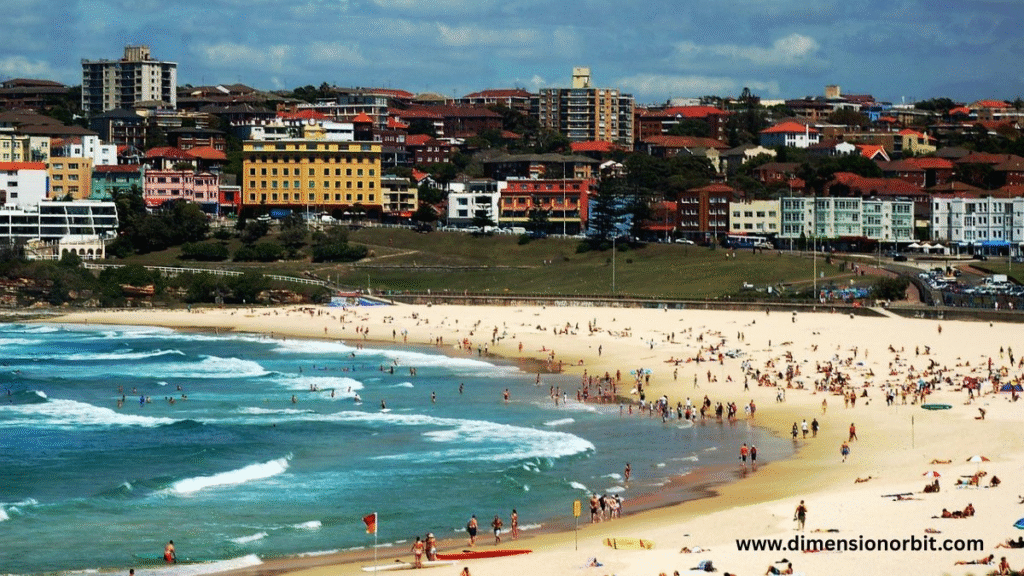
Bondi’s shoreline measures roughly 1 km which provides a clear real world reference for coastal distances. It appears often in studies related to famous 1 km landmarks because of its consistent measurement and open visibility.
Champs Élysées, Paris
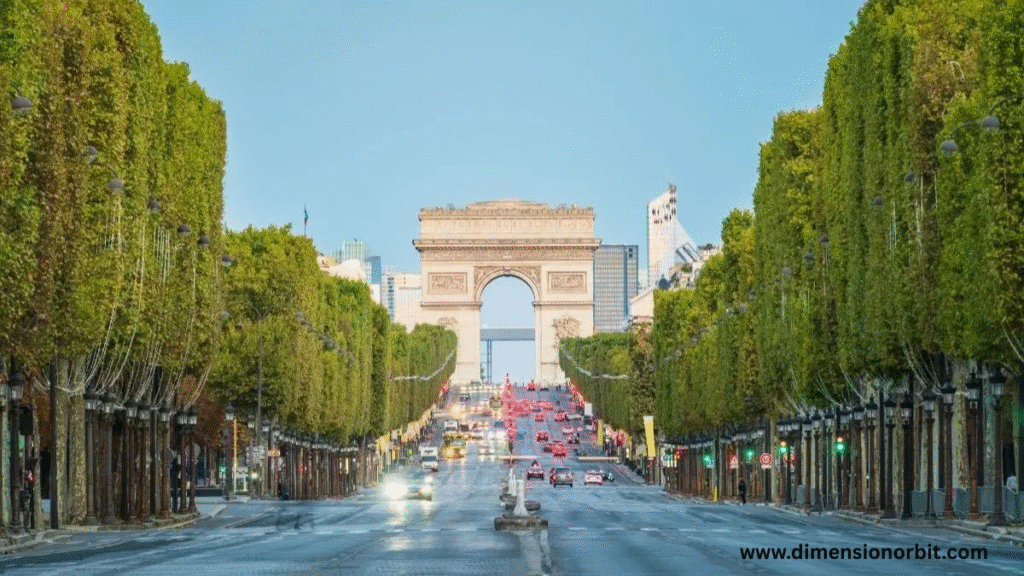
The avenue stretches about 1.9 kilometers. Many travelers walk half of it which equals almost exactly 1 km. This reference works well for understanding urban block length comparison studies in long pedestrian zones.
Great Pyramid of Giza
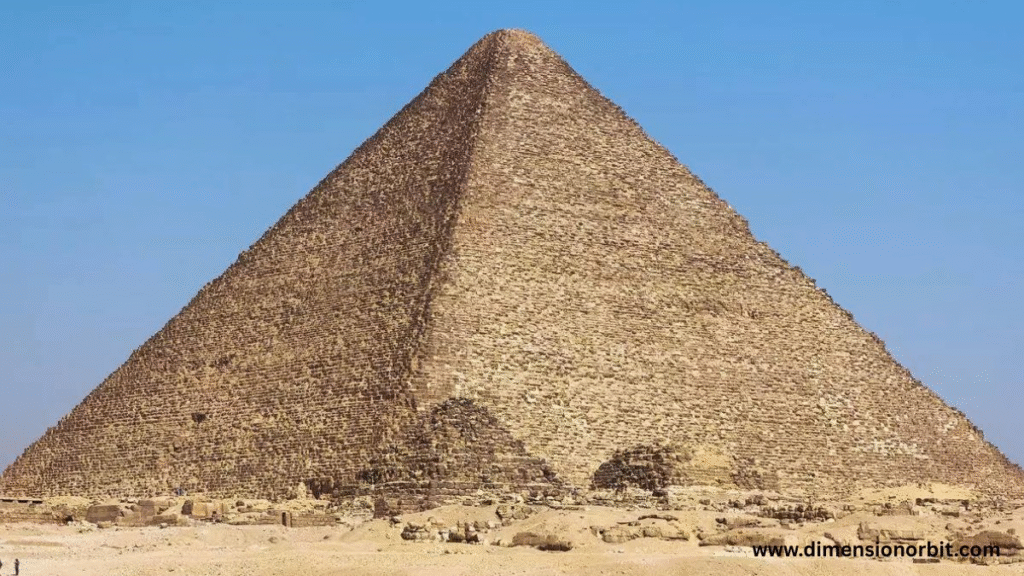
The total perimeter is roughly 921 meters which comes close to one kilometer. It serves as a stable reference in architectural and archaeological measurement work where metric precision matters.
Runways Measuring Around 1 KM
Aviation uses standardized runway lengths which makes it useful for reference.
Small Airport Runways
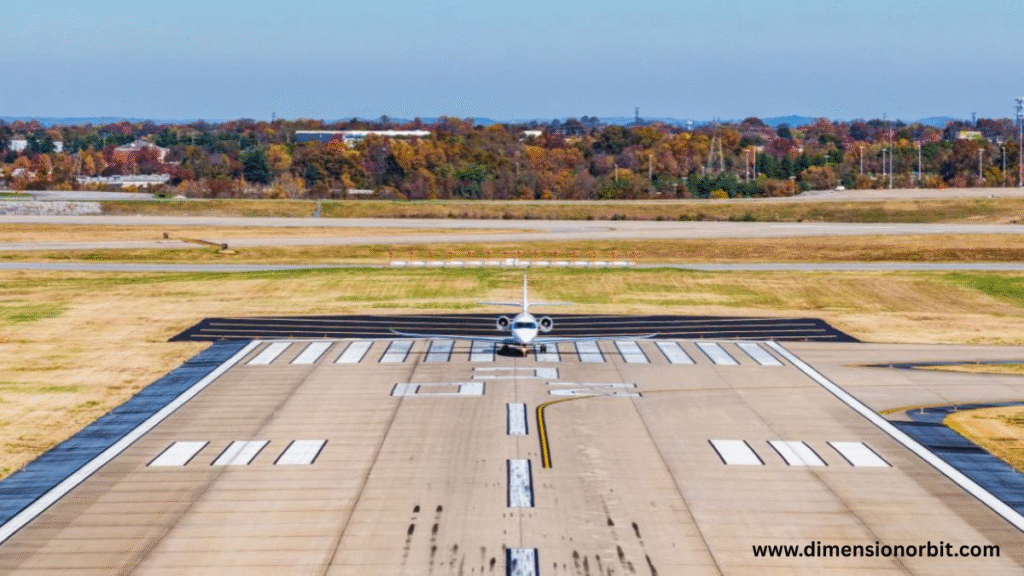
Many regional runways measure 800–1200 meters. Their structured measurements help illustrate runway planning in aviation engineering.
London City Airport
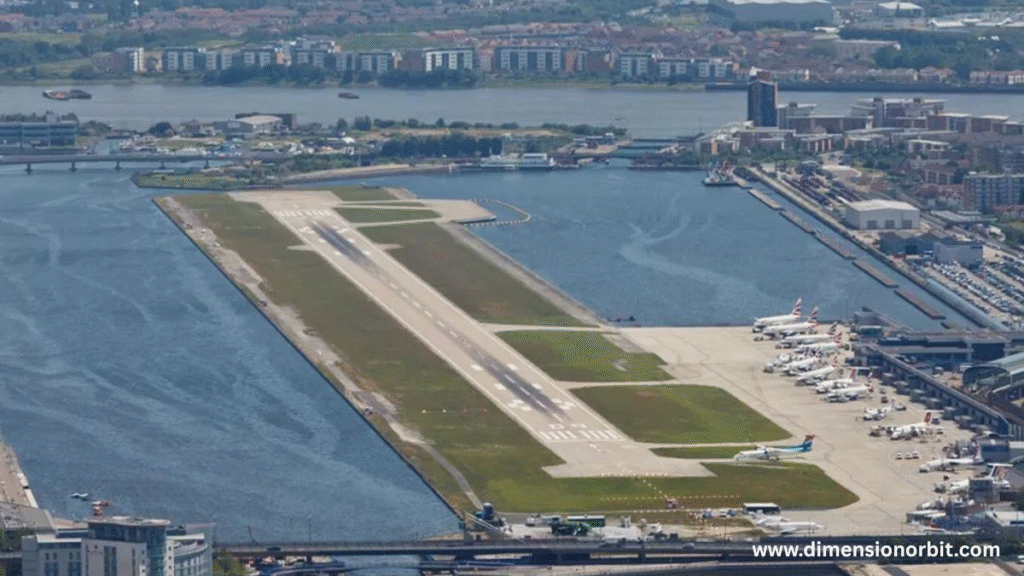
The runway is 1508 meters long. Although longer than 1 km it demonstrates scale in aviation design and how runways expand based on aircraft weight and performance needs.
These distances appear often in discussions about airport runway lengths because they represent well documented measurements.
City Layouts and 1 Kilometer Distance
Urban planners rely on kilometers because they help structure city grids clearly.
Manhattan Grid System
Roughly 20 north south blocks equal 1 km. This becomes a firm benchmark used in planning studies and transportation research focused on city blocks per kilometer.
European City Centers
Many historic shopping streets measure close to 900–1200 meters. This is helpful when comparing walkability or designing pedestrian zones.
Sports Facilities and 1 Kilometer Comparisons
A Sports environments use consistent measurements which makes them useful for studying distance.
Running Tracks
A standard track measures 400 meters.
To complete 1 km, you run 2.5 laps.
This data appears frequently in research related to running track distance and running track laps per kilometer because of global standardization.
Hiking Trails
Most developed hiking trails use 1 km distance markers. They support navigation, safety planning, and fitness tracking which connects directly to hiking trail distance markers found across nature reserves.
How 1 km Appears on Maps
Digital mapping tools show distances clearly which helps you learn how to measure a route before you move.
Using Google Maps
The “Measure Distance” tool lets you draw a straight path or route-based path to see exactly what how far is 1 km looks like when placed on terrain.
This ties into Google Maps kilometer measurement which becomes valuable for walkers, runners, or drivers planning short routes.
How To Estimate 1 Kilometer Without Tools
These are practical and evidence based techniques used in fitness and navigation fields.
Step Counting
Most people take 1,300–1,500 steps per km.
This aligns with data used in pedometer calibration studies that examine steps in one kilometer.
Time Method
A steady walking pace covers 1 kilometer in 12–15 minutes.
This approach appears often in guides focused on practical ways to estimate distance for outdoor recreation.
Track Method
Running or walking 2.5 laps on a standard track equals 1 km.
This remains one of the simplest and most accurate ways to measure distance without a device.
Conversions: Kilometers to Miles, Feet, Meters
Here is a complete reference to simplify the numbers:
| Distance | Conversion |
|---|---|
| 1 kilometer | 0.621 miles |
| 1 kilometer | 1000 meters |
| 1 kilometer | 3280.84 feet |
| 1 kilometer | 1093.61 yards |
| 1000 meters distance | 1 kilometer |
These conversions support searches related to convert kilometers to feet, 1 km in miles, and 1 km to meters which appear in travel, engineering, and sports contexts.
Why Understanding 1 Kilometer Matters
Knowing how to interpret how long is a kilometer improves everyday decision making. When you understand walking routes better. When you plan running distances more accurately. You read maps faster. You estimate travel time confidently whether you walk or drive.
People use kilometers in:
- Fitness and training
- Navigation
- Outdoor recreation
- Travel planning
- City commuting
- Engineering and design
The more familiar you become with 1 km examples, the easier it becomes to judge space, movement, and distance with confidence.
Digital tool
Digital tools like Feet and Inches Calculator can convert inches to centimeters or feet instantly. Many smartphone apps now offer augmented reality measuring features, allowing you to gauge objects virtually and compare them to known lengths.
FAQs
What is 1 kilometer equal to in miles?
1 km equals 0.621 miles which makes it a little over half a mile in everyday terms.
How long does it take to walk 1 kilometer?
Most people walk 1 km in 10 to 15 minutes depending on pace, terrain, and energy levels.
How many steps are in 1 km?
The average adult takes between 1,300 and 1,500 steps to cover 1 km based on stride length.
Is 1 km a long distance?
It depends on what you’re doing. It’s a short walk, a manageable run, and a very quick drive.
How can I visualize 1 kilometer easily?
Think of 2.5 laps on a standard running track or a relaxed walk that lasts roughly twelve minutes.
Why is the kilometer used instead of miles in most countries?
The metric system is simpler and more standardized which makes conversions and calculations much easier.
How far is 1000 meters compared to 1 kilometer?
They’re the same distance. One kilometer equals exactly 1000 meters.
Can beginners run 1 kilometer comfortably?
Yes most beginners complete 1 km in 6 to 7 minutes with steady pacing and proper breathing.
Conclusion
Understanding how long is 1 kilometer becomes much easier once you connect the number to real movement, real locations, and real measurements. A kilometer is simple on paper yet it becomes far more meaningful when you relate it to walking time, running pace, driving distance, city layouts, and well known landmarks. When you can clearly visualize 1 km, you navigate your day with more confidence whether you’re planning a route, training for fitness, reading a map, or comparing 1 km in miles.
Once you recognize that 1000 meters distance represents a short walk, a manageable run, and a quick drive, the metric system feels intuitive. The more you see 1 km used across travel, sports, navigation, and design, the easier it becomes to judge space and distance accurately in real life.

Jhon AJS, the author of Dimension Orbit, is an experienced blogger fascinated by the mysteries of existence. He explores every type of dimension from scientific to spiritual with clarity and creativity. Jhon’s engaging writing style invites readers to think deeper, question reality, and discover new perspectives on the universe.