
Ever wondered how much does a cow weigh? Most people imagine a single number. Maybe 1,000 pounds. Maybe more. The truth surprises many readers. Cow weight varies far more than expected, and guessing wrong is incredibly common.
A dairy cow producing milk, a massive beef steer raised for meat, and a newborn calf can differ by well over a ton in body weight. That variation matters more than you might think. Farmers depend on accurate weight estimates to manage feeding, health care, and breeding decisions. Meanwhile, beef buyers often struggle to understand how live weight translates into the meat that ends up in their freezer.
In this guide, you’ll learn the real average cow weight explained clearly and practically. We’ll break down cattle weight by breed, age, and purpose, then show how those numbers affect meat yield, freezer planning, and livestock management. By the end, you’ll not only know how much a cow weighs you’ll understand why it weighs that much.
Let’s start with the quick answer most people are looking for.
Quick Answer: Average Cow Weight
If you want the simple answer first:
An average adult cow weighs between 1,000 and 1,800 pounds (450–800 kilograms). The exact weight depends on breed, age, sex, feeding program, and production purpose.
These ranges align with weight benchmarks commonly referenced in livestock production systems and university agricultural extension guidelines.
| Type of Cattle | Average Weight |
|---|---|
| Calf (Birth) | 60–100 lbs |
| Yearling | 500–900 lbs |
| Adult Dairy Cow | 1,000–1,600 lbs |
| Adult Beef Cow | 1,200–1,800 lbs |
| Mature Bull | 1,800–2,400+ lbs |
A helpful comparison: a full grown cow often weighs about the same as a small car.
Dairy cows usually weigh less because their bodies prioritize milk production. Beef cattle grow heavier due to muscle development. Age also plays a major role. A newborn calf weighing under 100 pounds can grow more than ten times heavier within a few years under proper nutrition and herd management.
Exact weights vary by region, genetics, and feeding conditions. These figures should be viewed as reliable industry averages rather than fixed limits.
How Much Does a Gallon of Water Weigh?
Understanding Cow Size and Body Structure
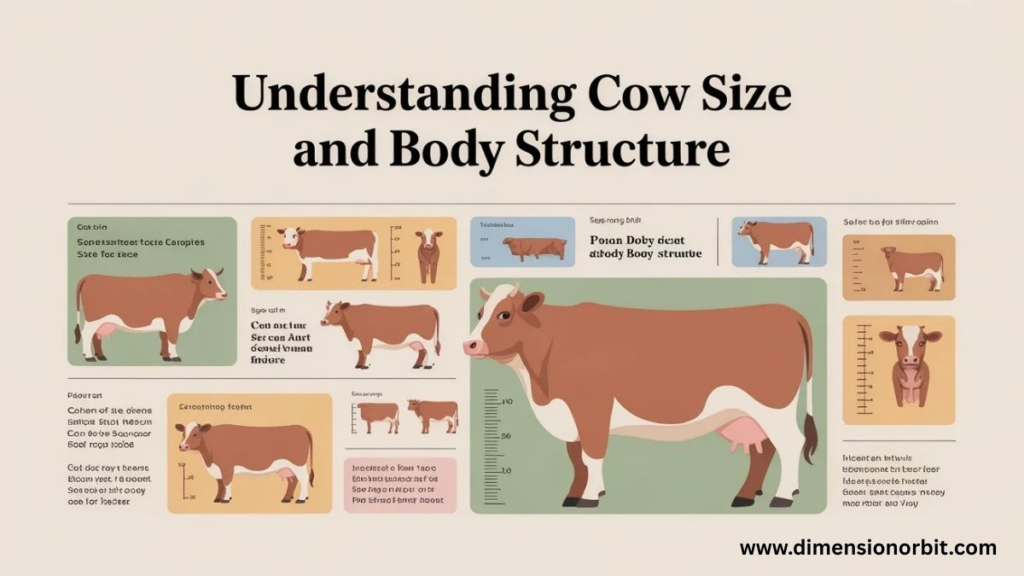
To understand weight, you first need to understand how cattle are built.
A cow is an adult female that has had a calf. A bull is an adult male. A heifer is a young female that hasn’t calved yet. A calf refers to a young animal. These distinctions are standard terminology used throughout animal husbandry and livestock management.
Cattle are ruminant animals, meaning they possess a four-compartment stomach designed for microbial fermentation of forage. This biological system allows cattle to convert grass and plant material into body mass, milk, and energy efficiently.
Much of a cow’s weight comes from:
- skeletal structure
- muscle tissue
- fat reserves
- digestive capacity
Body structure varies depending on production goals.
Dairy cattle typically have:
- Lean frames
- Longer legs
- Less muscle mass
- Large udders optimized for milk output
Beef cattle develop:
- Broad shoulders
- Dense muscle deposition
- Wider backs and hindquarters
- Greater overall carcass weight
Think of dairy cows as endurance athletes and beef cattle as strength trained animals. Both are healthy designs. They simply serve different agricultural purposes.
Height alone doesn’t determine size. Experienced cattle producers evaluate body depth and muscle condition rather than height when estimating mature weight. This approach reflects standard livestock evaluation practices.
20 Kilograms (kg) 13 Common Things That Weigh About
Average Cow Weight by Age and Growth Stage
Cattle grow through predictable biological stages recognized across commercial beef and dairy operations.
Birth: Calf Stage
Newborn calves usually weigh 60–100 pounds. Within hours they stand and begin nursing, which is essential for early immune development.
Nursing and Weaning
During the first six to eight months, calves grow rapidly. Under good management conditions, calves may gain 2–3 pounds per day. By weaning, they often weigh 400–700 pounds.
Yearling Stage
Around one year old, cattle typically weigh 500–900 pounds as skeletal growth accelerates.
Young Adult Stage
Between 18 and 24 months, cattle approach breeding or market readiness, often reaching 900–1,400 pounds depending on breed and feeding strategy.
Mature Adult
Full maturity generally occurs between three and five years.
| Growth Stage | Typical Weight |
|---|---|
| Newborn Calf | 60–100 lbs |
| Weaned Calf | 400–700 lbs |
| Yearling | 500–900 lbs |
| Young Adult | 900–1,400 lbs |
| Mature Cow | 1,000–1,800 lbs |
| Mature Bull | 1,800–2,400+ lbs |
These growth patterns closely match performance benchmarks used by cattle producers to evaluate herd development.
Cow Weight by Breed
Breed influences weight more than almost any other factor.
Selective breeding over centuries has produced cattle optimized either for milk efficiency or meat production.
Dairy Breeds
Dairy cattle prioritize milk efficiency over muscle.
- Holstein: 1,400–1,600 lbs
- Jersey: 900–1,200 lbs
- Guernsey: 1,100–1,400 lbs
Their lean appearance reflects metabolic energy directed toward milk production rather than muscle growth.
Beef Breeds
Beef cattle are bred for carcass yield and muscle development.
- Angus: 1,200–1,800 lbs
- Hereford: 1,200–1,700 lbs
- Charolais: 1,500–2,200 lbs
Commercial beef operations commonly select these breeds for efficient weight gain and meat quality.
Dual Purpose Breeds
Some breeds balance milk and meat production, usually weighing 1,200–1,700 pounds.
Genetics establish growth potential, though feeding, climate, and management ultimately determine final body weight.
Caribe Devine Height, Bio, 12News
Dairy Cow vs Beef Cow Weight Differences
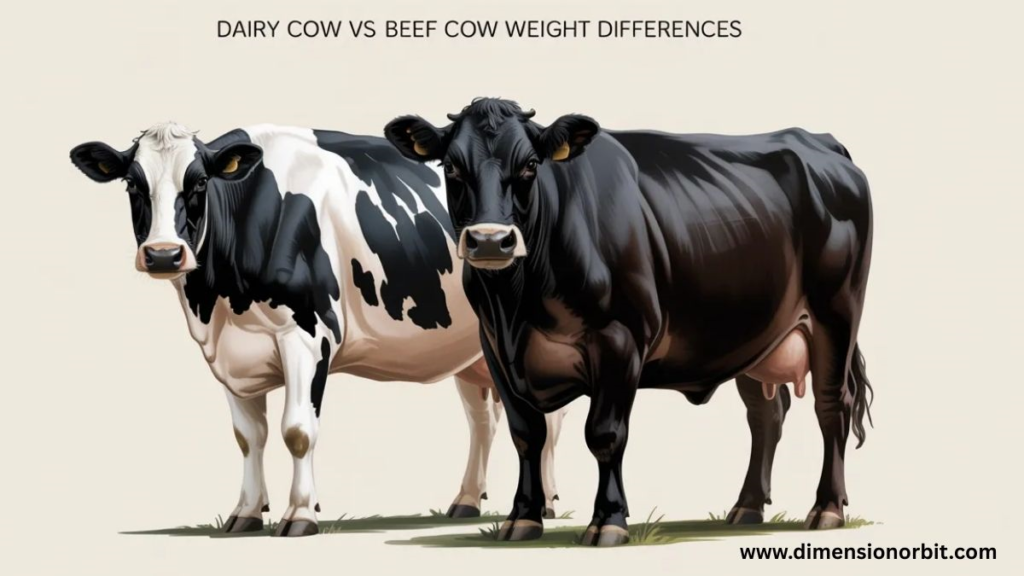
Purpose shapes body weight.
A dairy cow functions like an endurance athlete. Her body converts feed energy into sustained milk production. She usually weighs 1,000–1,600 pounds.
A beef cow resembles a strength-trained animal. Breeding emphasizes muscle deposition, feed efficiency, and carcass quality. Most beef cows weigh 1,200–1,800 pounds.
Livestock specialists evaluate body condition score rather than weight alone to ensure animals remain healthy and productive.
Individual animals may fall outside these ranges depending on genetics and farm management practices.
Male vs Female Cattle Weight (Bull vs Cow)
Sex significantly influences cattle weight due to hormonal differences.
- Heifer: 800–1,300 lbs
- Mature Cow: 1,000–1,800 lbs
- Mature Bull: 1,800–2,400+ lbs
Testosterone promotes greater muscle growth and bone density in bulls. Cows, meanwhile, allocate energy toward reproduction and milk production.
Experienced producers account for these biological differences when managing breeding programs and feed requirements.
How Farmers Estimate Cow Weight Without a Scale
Many farms estimate weight without dedicated livestock scales.
Weight Tape Method
Farmers measure heart girth, the circumference behind the front legs. This method is widely used in small farms and large ranches because chest size closely correlates with body mass.
Measurement Formula
Weight (lbs) = (Heart Girth² × Body Length) ÷ 300
This formula appears in livestock management manuals and veterinary field guides.
Visual Estimation
Experienced cattle handlers evaluate:
- muscle thickness
- rib coverage
- fat distribution
- overall body condition
While estimates are not perfect, they usually fall within 5–10% accuracy when performed by trained livestock managers.
Factors That Influence How Much a Cow Weighs
Cow weight reflects a combination of biological and management factors.
Age
Growth slows as animals reach maturity.
Genetics
Breed determines structural size potential.
Diet
Balanced nutrition strongly influences growth rate and final weight.
Environment
Climate, pasture quality, and activity level affect energy use.
Sex and Hormones
Bulls naturally develop more muscle mass.
Health and Management
Veterinary care, parasite control, and stress reduction all influence growth outcomes.
Livestock professionals evaluate these factors together rather than relying on weight alone.
Lucy Bustamante Height, Bio, NBC 10
How Big Is a Cow Compared to Other Animals?
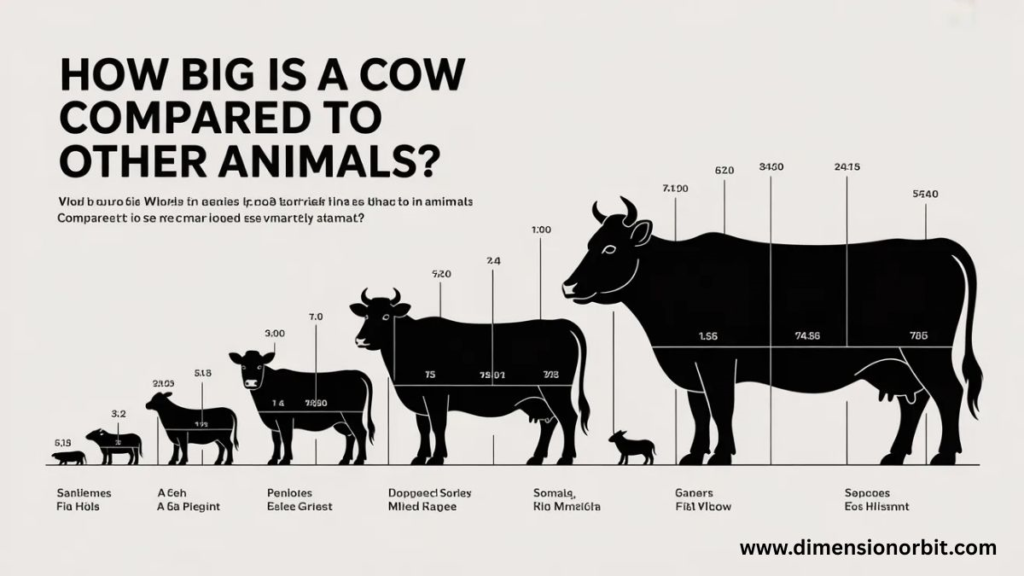
| Animal | Average Weight |
|---|---|
| Goat | 100–250 lbs |
| Sheep | 100–300 lbs |
| Pig | 250–700 lbs |
| Horse | 900–1,200 lbs |
| Dairy Cow | 1,000–1,600 lbs |
| Beef Cow | 1,200–1,800+ lbs |
A cow often weighs seven to ten times more than an adult human.
Despite appearing taller, many horses weigh less because cattle carry significant internal digestive mass designed for forage processing.
These comparisons align with standard farm animal size benchmarks.
How Much Meat Does a Cow Produce?
A cow’s full weight does not become beef. In the meat industry, weight converts through recognized processing stages.
Live Weight → Hanging Weight
After harvest, hide and organs are removed. About 60–65% of live weight remains as carcass weight.
Example:
- 1,300 lb cow
- ≈ 800 lb hanging weight
Hanging Weight → Packaged Beef
After aging, trimming, and cutting, retail beef equals 40–50% of live weight.
- 1,300 lb live animal
- ≈ 500–650 pounds of take-home beef
These percentages reflect commonly accepted beef production averages.
Beef Portions
| Purchase | Take-Home Beef |
|---|---|
| Whole Cow | 500–650 lbs |
| Half Cow | 250–325 lbs |
| Quarter Cow | 125–160 lbs |
Actual yield varies depending on cutting preferences, fat trimming, and carcass quality.
How Much Beef Fits in Your Freezer?
Storage planning matters when buying bulk beef.
1 cubic foot of freezer space holds about 30–35 pounds of packaged beef, a guideline widely used by meat processors and freezer beef suppliers.
| Portion | Meat Amount | Freezer Space |
|---|---|---|
| Whole Cow | 500–650 lbs | 16–20 cu ft |
| Half Cow | 250–325 lbs | 8–10 cu ft |
| Quarter Cow | 125–160 lbs | 4–5 cu ft |
Actual space needs may vary slightly depending on packaging style and freezer organization.
Understanding Beef Cuts and Processing Loss
Processing naturally reduces weight.
Standard industry steps include:
- removal of hide and organs
- moisture loss during aging
- fat trimming
- bone removal
From a 1,300-pound cow:
- ~800 lbs hanging weight
- ~500–650 lbs packaged beef
Processing loss represents normal conversion from live animal to edible product. The objective is quality, safety, and flavor rather than retaining maximum weight.
Why Cow Weight Matters in Livestock Farming
For farmers, weight guides nearly every management decision.
Feeding: Determines daily nutrient requirements.
Health Care: Veterinary treatments depend on accurate body weight.
Breeding: Animals must reach target weight before reproduction.
Market Pricing: Livestock auctions typically price cattle per pound.
Transportation: Safe loading depends on weight limits.
Consistent weight gain signals effective herd management and animal welfare practices.
Key Takeaways: Understanding Cattle Weight at a Glance
- Average cows weigh 1,000–1,800 pounds
- Bulls grow significantly heavier than cows
- Calves experience rapid early growth
- Breed genetics define size potential
- Only about half of live weight becomes packaged beef
- Farmers rely on weight as a primary management indicator
These benchmarks provide reliable planning estimates for both livestock producers and beef buyers.
Digital tool
Digital tools like Feet and Inches Calculator can convert inches to centimeters or feet instantly. Many smartphone apps now offer augmented reality measuring features, allowing you to gauge objects virtually and compare them to known lengths.
FAQs Cow Weight
Below are answers to the most common questions people ask about cow size, weight, and growth. These quick explanations help clear up confusion while reinforcing the key concepts covered in this guide.
How much does an adult cow weigh?
Most adult cows weigh between 1,000 and 1,800 pounds (450–800 kg). Dairy cows usually fall on the lighter end of that range, while beef cows grow heavier due to increased muscle development.
Breed and feeding conditions make a noticeable difference. A small Jersey cow may weigh under 1,100 pounds. A large beef breed can approach or exceed 1,700 pounds.
How much does a calf weigh at birth?
Newborn calves typically weigh 60 to 100 pounds. Dairy calves often start lighter, while beef calves are usually heavier at birth.
Despite their small size, calves grow quickly. With proper nutrition, many double their weight within the first few months of life.
How much does a bull weigh compared to a cow?
Bulls almost always outweigh cows. Mature bulls commonly weigh 1,800 to 2,400 pounds or more, depending on breed.
Higher testosterone levels promote muscle growth and thicker bone structure. That’s why bulls appear noticeably larger even when raised alongside female cattle.
What is the heaviest cow breed?
Large beef breeds such as Charolais, Chianina, and some Limousin cattle rank among the heaviest. Mature animals from these breeds can exceed 2,000 pounds under ideal conditions.
Genetics determine the animal’s potential size long before feeding or management influence growth.
How tall is an average cow?
Most adult cows stand 4.5 to 5.5 feet tall at the shoulder. Height alone doesn’t determine weight. Much of a cow’s mass comes from body depth, muscle thickness, and internal digestive capacity rather than leg length.
Why do cows vary so much in weight?
Several factors combine to create weight differences:
- Breed genetics
- Age and growth stage
- Sex (bull vs cow)
- Diet quality
- Farming environment
Even two cows living on the same farm may weigh differently due to genetics or body condition.
How much meat comes from one cow?
A finished beef cow typically produces 500 to 650 pounds of packaged beef, which equals about 40–50 percent of live body weight.
The rest includes bones, fat trimming, hide, and moisture loss during processing. Understanding this conversion helps buyers set realistic expectations when purchasing freezer beef.
Conclusion
A cow’s weight represents more than physical size. It reflects genetics, nutrition, animal welfare, and professional livestock management.
From calf development to finished beef production, cattle weight connects biology with real agricultural practice. Farmers monitor body condition carefully to maintain healthy animals, sustainable production, and high quality food systems.
Understanding cattle weight allows readers, consumers, and producers alike to make informed decisions grounded in agricultural reality rather than assumptions.
Behind every number lies generations of breeding knowledge, practical farm experience, and modern animal science working together to bring food from pasture to plate.

Jhon AJS, the author of Dimension Orbit, is an experienced blogger fascinated by the mysteries of existence. He explores every type of dimension from scientific to spiritual with clarity and creativity. Jhon’s engaging writing style invites readers to think deeper, question reality, and discover new perspectives on the universe.