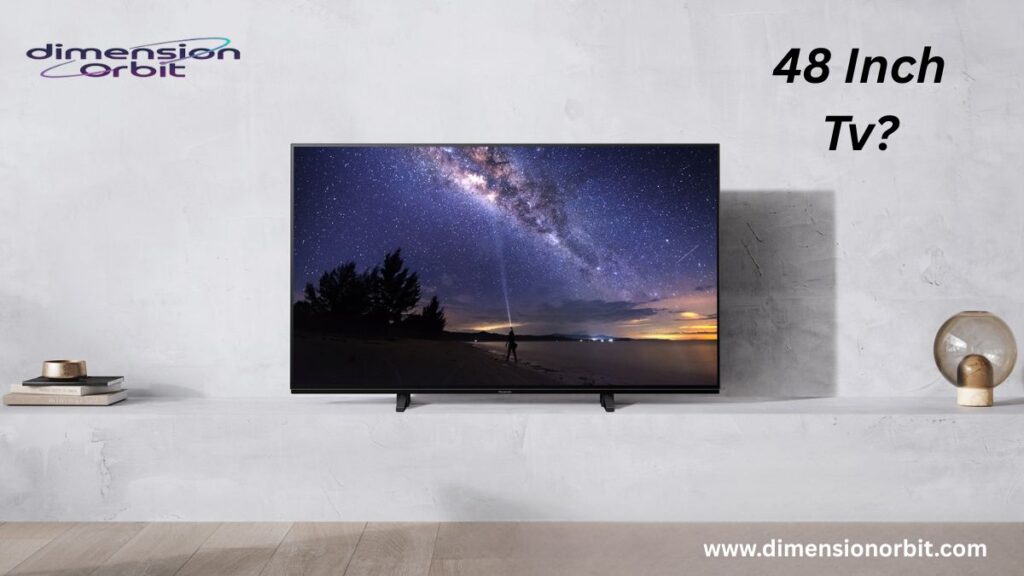
Buying a TV should be exciting, yet somehow it turns into a full blown measuring marathon. You grab a tape, eyeball the wall, then realize “48 inches” doesn’t explain much at all. That’s where a wide 48 inch TV Size changes the conversation. On paper, it sounds reasonable. In real life, it can feel bigger, bolder, and wider than expected. Suddenly, the console looks smaller and the wall feels closer. This guide exists to save you from that moment of doubt. We’ll break down what a wide 48 inch TV actually looks like, how much space it needs, and why understanding width matters more than guessing and hoping for the best.
What “Wide 48 Inch TV” Really Means
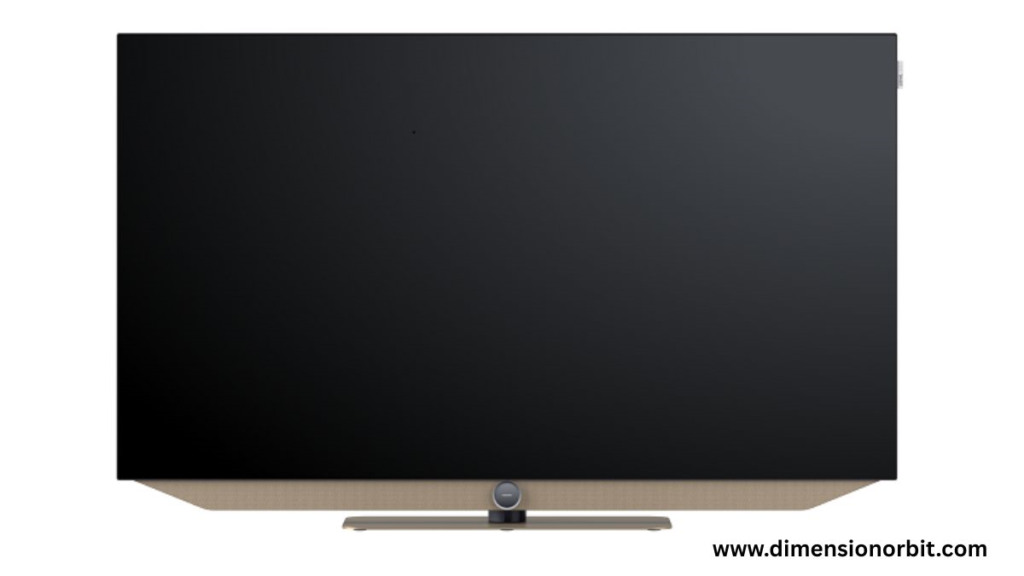
When people search for a wide 48 inch TV, they usually want one thing. They want to know how much horizontal space the TV actually takes up. The term “48 inch” refers only to the diagonal measurement of the screen, measured from one corner to the opposite corner.
That diagonal number does not tell you the width. It does not tell you the height. It definitely does not tell you whether the TV will fit on your console or between two cabinets.
A wide 48 inch TV simply means a television with a 48 inch diagonal screen that translates into a noticeable horizontal footprint. Because most modern TVs use a 16:9 aspect ratio, width increases quickly as diagonal size grows.
TV Diagonal Measurement Explained Without the Math Headache

TV manufacturers measure screens diagonally because it has been the industry standard for decades. It works well for comparing screen area, but it works poorly for furniture planning.
Here’s the key idea. Two TVs can both be 48 inches diagonally and still have slightly different widths. Why? Because of bezel thickness, panel design, and frame shape.
In real life, the diagonal measurement explains screen size. The width explains whether your TV fits your space.
That difference is why so many buyers feel shocked when they unbox a 48 inch TV and realize it looks wider than expected.
Actual Width of a 48 Inch TV in Real Life

A modern 48 inch TV width usually falls within a predictable range.
Most current LED and OLED models measure between 42.0 and 43.0 inches wide without the stand. That equals roughly 106.5 to 109.2 centimeters.
The slight variation comes from bezel thickness and brand design. Ultra thin bezel OLED TVs tend to sit at the lower end. Budget LED models with thicker frames often land on the wider side.
This table shows the real world range you should expect.
| Measurement Type | Inches | Centimeters |
|---|---|---|
| Screen width (approx) | 41.8 – 42.5 | 106.2 – 108.0 |
| TV width without stand | 42.0 – 43.0 | 106.5 – 109.2 |
| TV width with stand | 42.5 – 44.0 | 108.0 – 111.8 |
These numbers explain why a wide 48 inch TV can dominate smaller furniture if you do not plan ahead.
48 Inch TV Width and Height Without the Stand
Removing the stand changes how the TV fits, especially for wall mounting.
A typical 48 inch TV dimensions without stand look like this.
| Dimension | Inches | Centimeters |
|---|---|---|
| Width | 42.0 – 43.0 | 106.5 – 109.2 |
| Height | 24.5 – 25.5 | 62.2 – 64.8 |
| Depth | 2.0 – 2.5 | 5.1 – 6.4 |
Without the stand, the TV sits flatter against the wall and feels visually wider. This setup works best for clean, modern rooms and smaller spaces where floor furniture is limited.
Wall-mounted TVs also make the width more noticeable because nothing breaks up the horizontal line.
48 Inch TV Width and Height With the Stand
Adding the stand changes the footprint more than most buyers expect.
The 48 inch TV dimensions with stand usually increase depth and sometimes width, depending on stand design.
| Dimension | Inches | Centimeters |
|---|---|---|
| Width | 42.5 – 44.0 | 108.0 – 111.8 |
| Height | 26.5 – 27.5 | 67.3 – 69.9 |
| Depth | 8.0 – 10.5 | 20.3 – 26.7 |
Some stands extend wider than the screen edges. Others use a center pedestal. This difference directly affects whether the TV fits on narrow consoles.
Always check the 48 inch TV stand width, not just the screen width.
48 Inch TV Depth and Clearance Requirements
Depth rarely gets attention until cables refuse to fit.
Modern TVs are slim, yet they still need breathing room. A typical 48 inch TV depth without stand ranges from 2 to 2.5 inches. With the stand, depth jumps to 8 to 10.5 inches.
Clearance matters for three reasons.
Heat ventilation prevents long term damage. Cable access keeps ports usable. Wall protection avoids pressure marks.
Experts recommend at least 2 inches of clearance behind the TV and 3 to 4 inches below for cable routing.
Why Some 48 Inch TVs Are Wider Than Others

Not all 48 inch TVs share the same physical size. That difference frustrates buyers who expect uniformity.
Bezel thickness plays a major role. Budget models often use thicker frames. Premium OLED TVs push bezels to the edge.
Panel technology matters as well. OLED panels allow slimmer borders. Traditional LED panels need slightly more structure.
Even brand styling affects width. Some manufacturers prefer squared edges. Others curve or angle the frame.
That explains why two 48 inch TVs can differ by nearly an inch in width.
Wide 48 Inch TV Compared to Other Sizes
Seeing numbers helps, but comparison brings clarity.
Here’s how a wide 48 inch TV stacks up against common alternatives.
| TV Size | Approx Width (inches) | Approx. Width (cm) |
|---|---|---|
| 43 inch TV | 38.0 | 96.5 |
| 48 inch TV | 42.5 | 108.0 |
| 50 inch TV | 44.0 | 111.8 |
| 55 inch TV | 48.5 | 123.2 |
The jump from 43 to 48 inches feels significant. The jump from 48 to 50 inches feels smaller. This makes 48 inches a sweet spot for bedrooms and apartments.
48 Inch TV Size Compared to Room and Furniture
Room size affects how wide a TV feels.
In a bedroom, a wide 48 inch TV often becomes the visual anchor. It works best when the wall width exceeds 6 feet.
In a living room, the TV feels balanced when the seating distance sits between 5.5 and 7 feet.
For desks or compact media units, width matters more than diagonal size. A desk under 45 inches wide usually struggles to support a 48 inch TV safely.
Will a Wide 48 Inch TV Fit on My Console or Desk
This question causes the most returns.
To fit safely, your console should be at least 2 to 4 inches wider than the TV stand footprint. That margin prevents tipping and improves stability.
For center stand TVs, the console must support the stand width and weight. For dual-leg designs, the console must be wide enough for leg placement.
If the console width equals the TV width, the setup feels cramped and risky.
Wall Mounting a Wide 48 Inch TV
Wall mounting changes everything.
Most 48 inch TVs use a VESA 200 x 200 mm or 300 x 300 mm mounting pattern. Stud spacing typically aligns with standard walls, but placement still matters.
When mounting, consider horizontal clearance. A wide 48 inch TV needs at least 3 inches of free space on each side to avoid looking boxed in.
Mounting height matters too. The screen center should align roughly with seated eye level, usually 40 to 42 inches from the floor.
Viewing Distance for a Wide 48 Inch TV
Viewing distance affects comfort more than size.
For a 48 inch TV, recommended distances look like this.
| Resolution | Ideal Distance |
|---|---|
| 1080p | 6.5 – 8 feet |
| 4K | 5 – 6.5 feet |
Sitting too close exaggerates width. Sitting too far wastes screen detail.
Transporting and Handling a 48 Inch TV
Transport surprises many buyers.
A 48 inch TV box size usually measures 46 to 48 inches wide, 28 to 30 inches tall, and 6 to 8 inches deep.
Most sedans can fit the box only if seats fold down. SUVs and hatchbacks handle it easily.
Always transport the TV upright. Laying it flat increases panel stress, even for smaller screens.
Common Mistakes Buyers Make with 48 Inch TV Width
Many issues repeat themselves.
People measure wall width but ignore furniture width. Others forget stand depth. Some assume all 48 inch TVs share the same dimensions.
The most common mistake is trusting diagonal size alone.
Final Fit Checklist for a Wide 48 Inch TV
Before buying, confirm these points.
Measure wall width and furniture width.
Check TV width with and without stand.
Allow clearance for ventilation and cables.
Confirm VESA pattern if wall mounting.
Plan viewing distance.
A wide 48 inch TV works beautifully when planned properly. When guessed, it feels oversized fast.
Digital tool
Digital tools like Feet and Inches Calculator can convert inches to centimeters or feet instantly. Many smartphone apps now offer augmented reality measuring features, allowing you to gauge objects virtually and compare them to known lengths.
FAQs
How wide is a wide 48 inch TV in real life
A wide 48 inch TV is usually about 42 to 43 inches wide without the stand. With the stand attached, the width can increase slightly depending on the stand design.
What does “wide 48 inch TV” actually mean
It refers to the horizontal space the TV takes up, not the diagonal screen size. The 48 inches is measured corner to corner, while width determines how the TV fits on furniture or walls.
Are all 48 inch TVs the same width
No. Bezel thickness, panel type, and brand design can change the overall width by nearly an inch between different models.
Will a wide 48 inch TV fit on my console
It depends on the console width and the TV stand footprint. Your console should be a few inches wider than the TV stand to keep the setup stable and balanced.
Is a wide 48 inch TV too big for a bedroom
For most bedrooms, a wide 48 inch TV works well if the seating distance is around five to seven feet. Smaller rooms may feel crowded if the TV is mounted too close.
How much wall space does a wide 48 inch TV need
Ideally, you should have at least three inches of open wall space on each side of the TV to avoid a cramped look and allow proper airflow.
Does a wide 48 inch TV need wall clearance
Yes. Even slim TVs need about two inches of space behind them for ventilation and easier cable management.
Why does my wide 48 inch TV look bigger than expected
The width increases quickly as diagonal size goes up, and thin bezels can make the screen feel even wider once it’s installed.
Can a wide 48 inch TV be used on a desk
It can, but only if the desk is wide and deep enough to support the stand safely. Many standard desks are too narrow for this size.
What is the ideal viewing distance for a wide 48 inch TV
For 4K content, sitting about five to six and a half feet away provides a comfortable and immersive viewing experience.
Final Thought
A wide 48 inch TV makes sense when you understand what the size really means in everyday use. The diagonal number may catch your eye, but the 48 inch TV width determines whether the screen feels comfortable or crowded in your space. When you measure your wall, your console, and your viewing distance first, this size delivers a clean, immersive experience without overpowering the room. Take a few extra minutes to plan clearance, stand fit, and mounting height. Do that, and a wide 48 inch TV won’t just fit your setup it’ll feel like the perfect size for it.

Jhon AJS, the author of Dimension Orbit, is an experienced blogger fascinated by the mysteries of existence. He explores every type of dimension from scientific to spiritual with clarity and creativity. Jhon’s engaging writing style invites readers to think deeper, question reality, and discover new perspectives on the universe.